



It does not receive public funding
Editor in chief:
CLARA MOSCHINI
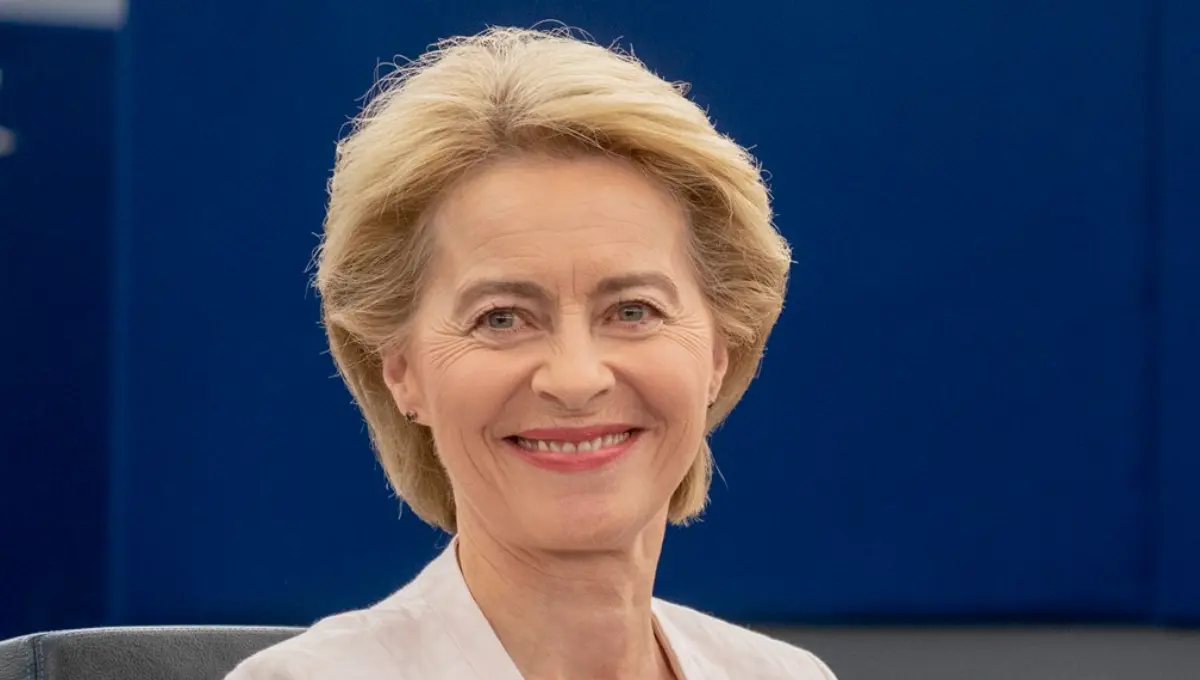
The EU and India concluded negotiations today for a historic, ambitious and commercially significant free trade agreement (FTA), the largest such deal ever concluded by either side. It will strengthen economic and political ties between the world's second and fourth largest economies, at a time of rising geopolitical tensions and global economic challenges, highlighting their joint commitment to economic openness and rules-based trade.
European Commission President, Ursula von der Leyen, said: “The EU and India make history today, deepening the partnership between the world's biggest democracies. We have created a free trade zone of 2 billion people, with both sides set to gain economically. We have sent a signal to the world that rules-based cooperation still delivers great outcomes. And, best of all, this is only the start - we will build on this success, and grow our relationship to be even stronger".
The EU and India already trade over €180 billion worth of goods and services per year, supporting close to 800,000 EU jobs. This deal is expected to double EU goods exports to India by 2032 by eliminating or reducing tariffs in value of 96.6% of EU goods exports to India. Overall, the tariff reductions will save around €4 billion per year in duties on European products.
This is the most ambitious trade opening that India has ever granted to a trade partner. It will give a significant competitive advantage for key EU industrial and agri-food sectors, granting companies privileged access to the world's most populous country of 1.45 billion people and fastest growing large economy, with an annual GDP of €3.4 trillion.
Privileged access to services markets and protected Intellectual Property
The agreement will grant EU companies privileged access to the Indian services market, including key sectors such as financial services and maritime transport. It has the most ambitious commitments on financial services by India in any trade agreement, going beyond what they have given to other partners.
The agreement provides a high level of protection and enforcement of Intellectual Property (IP) rights, including copyright, trademarks, designs, trade secrets and plant variety rights. It builds upon existing international IP treaties and brings Indian and EU intellectual property laws closer. This will make it easier for EU and Indian businesses that rely on IP to trade and invest in each other's markets.
Enhancing sustainability commitments
The agreement has a dedicated trade and sustainable development chapter, which enhances environmental protection and addresses climate change, protects workers' rights, supports women's empowerment, provides for a platform for dialogue and cooperation on trade related environmental and climate issues and ensures effective implementation.
The EU and India will also sign a Memorandum of Understanding that intends to establish an EU-India platform for cooperation and support on climate action. The platform will be launched in the first half of 2026. Furthermore, subject to the EU's budgetary and financial rules and procedures, € 500 million in EU support over the next two years is envisaged to help India's efforts to reduce greenhouse gas emissions and accelerate its long-term sustainable industrial transformation.
Next steps
On the EU side, the negotiated draft texts will be published shortly. The Commission will then put forward its proposal to the Council for the signature and conclusion of the agreement. Once adopted by the Council, the EU and India can sign the agreements. Following the signature, the agreement requires the European Parliament's consent, and the Council's decision on conclusion for it to enter into force. Once India also ratifies the Agreement, it can enter into force.
Background
The EU and India had first launched negotiations for a free trade agreement in 2007. The talks were suspended in 2013 and then relaunched in 2022. The 14th and last formal negotiating round took place in October 2025, followed by intersessional discussions at technical and political level.
At the same time as FTA negotiations were relaunched, the EU and India also launched negotiations for a Geographical Indications Agreement and an Investment Protection Agreement. Negotiations for these agreements are still ongoing.