It does not receive public funding
Editor in chief:
CLARA MOSCHINI

Facebook Twitter Youtube Instagram LinkedIn

New Zealand considers alliance Aukus

A turning point after decades of sovereignism and close relations with China

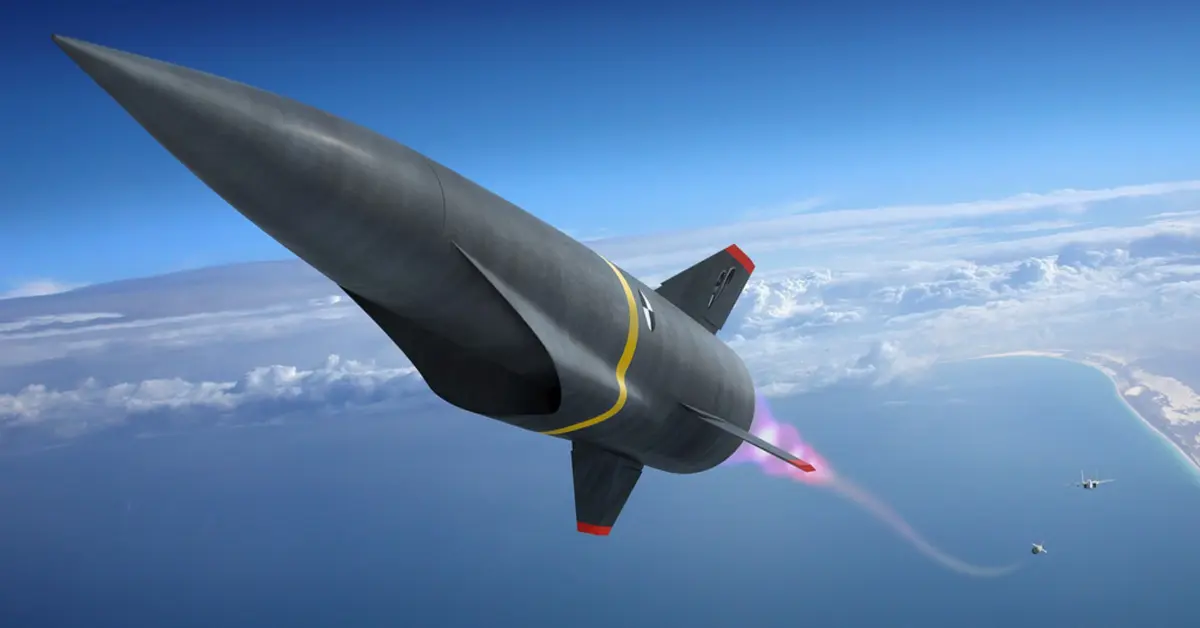
The New Zealand government has ruled out the country joining a defense pact between Australia, the United Kingdom and the USA in the short term. This concerns the possible participation in the Aukus alliance, an agreement between English-speaking countries for the joint development of advanced military technologies such as artificial intelligence, submarines and hypersonic missiles.

"The foundations of New Zealand's foreign policy that have underpinned New Zealand's foreign, trade and economic policies in decades past have seismically shifted in the first quarter of the 21st century", have "seismically changed", but it would be "irresponsible" to part of the government will not explore deeper defense cooperation with allies, said New Zealand's foreign minister, Winston Peters

Critics, including former New Zealand Prime Minister Helen Clark, argue that participation in the deal would threaten New Zealand's sovereignty and damage relations with China. Peters, however, reiterated that the argument is "outdated", as "the strategic environment of the Pacific region is not benign, far from it. Inexorable pressure is being exerted on it, while beachheads are sought and the flu". 

"New Zealand's long history of parsimony in defense matters cannot stand if we want to continue to gain the respect and influence of others", Peters concluded. "We also need to carefully examine what benefits, if any, we might offer or are expected to offer in return from Pillar 2 partners. This will take time" to "carefully weigh the benefits and costs".

Gic - 1258065

AVIONEWS - World Aeronautical Press Agency
Similar

AirportsAci Europe: calls to suspend the EU-Qatar Aviation Agreement raise serious concerns

For Europe’s airports, communities and economy

Importantly, there is no tangible evidence that the EU Qatar agreement has resulted in Qatar Airways gaining a dominant or unfair market position at the expense of European airlines. In fact, Qatar Airways has not expanded significantly in the European market in recent years –as evidenced by the fact that the airline’s seat capacity deployed in Europe in the current IATA Winter season (October 2025–March 2026) remains -10% below its pre-pandemic (2019) level more