It does not receive public funding
Editor in chief:
CLARA MOSCHINI

Facebook Twitter Youtube Instagram LinkedIn

Europe studies solutions to replace Antonov planes

Solutions to have aircraft with strategic transport capacity

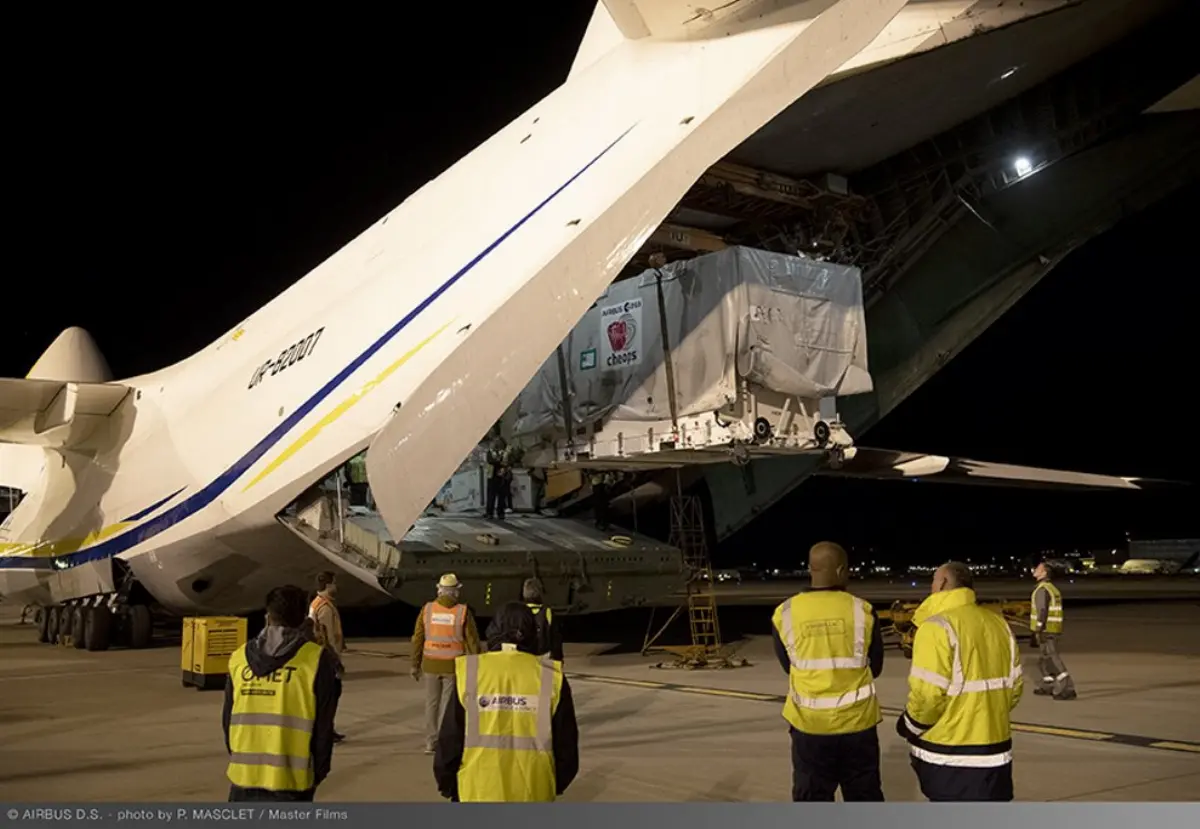
Cargo planes built by the Ukrainian state company Antonov are known to be the largest in the world. These are aircraft used to move large cargo, including helicopters, vehicles and oversized components for any other means of transportation in the skies. Now, however, due to the ongoing war, production and logistical and operational support for these aircraft is in decline. Europe is looking for a solution.

A consortium led by the Airbus Group will study solutions to provide the Old Continent with aircraft with strategic airlift capabilities that could replace the Antonov An-124 aircraft. This is the objective of the Esoca (European System for Outsized Cargo Airlift) programme, one of 54 joint research and development projects financed by the European Commission through the European Defense Fund (EDF).

The Esoca project invites industry to "identify, define and evaluate short- and long-term options for future European strategic airlift capacity" and to undertake all studies necessary to implement the action. The consortium is made up of 15 companies from seven European countries, including the Spanish ITP Aero, the French Safran Aircraft Engines, the Italian Leonardo Aircraft.

Gic - 1258471

AVIONEWS - World Aeronautical Press Agency
Related
Similar

AirportsAci Europe: calls to suspend the EU-Qatar Aviation Agreement raise serious concerns

For Europe’s airports, communities and economy

Importantly, there is no tangible evidence that the EU Qatar agreement has resulted in Qatar Airways gaining a dominant or unfair market position at the expense of European airlines. In fact, Qatar Airways has not expanded significantly in the European market in recent years –as evidenced by the fact that the airline’s seat capacity deployed in Europe in the current IATA Winter season (October 2025–March 2026) remains -10% below its pre-pandemic (2019) level more