It does not receive public funding
Editor in chief:
CLARA MOSCHINI

Facebook Twitter Youtube Instagram LinkedIn

Italy. Palermo Airport asks for more transportation

Burrafato (Gesap): "It is essential that connection services are adequate to demand"

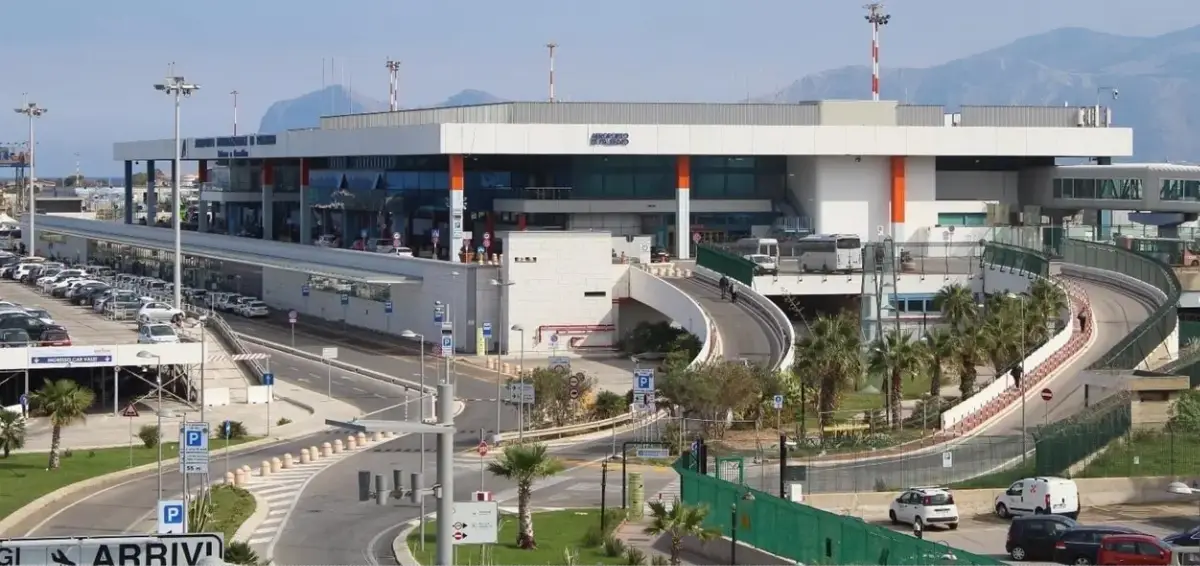
More checks on taxi drivers and an extra train. The Municipality of Palermo and the Region of Sicily are trying to respond to the demand for greater mobility from the Gesap company, that controls the "Falcone-Borsellino" international airport in Punta Raisi in Italy. The reason is clear: the lack of transportation and the partial lack of quality in connections to and from a stopover where eight million passengers pass through every year (2023 data).

"The exponential growth in passenger traffic requires an in-depth analysis with the Municipality of Palermo and the Region to improve public transport services once they leave the airport. The management company's responsibility is to get passengers to their destination", explained the president of Gesap, Salvatore Burrafato, interviewed by the Italian newspaper "la Repubblica".

"In recent years -added the manager- considerable progress has been made to enhance transport, such as the introduction of more train and bus journeys. In the high season, with European traffic at unprecedented levels, it is understandable that some delays may occur, but it is essential that connection services are adequate to demand, especially at night".

Cnt - 1259434

AVIONEWS - World Aeronautical Press Agency
Similar

AirportsAci Europe: calls to suspend the EU-Qatar Aviation Agreement raise serious concerns

For Europe’s airports, communities and economy

Importantly, there is no tangible evidence that the EU Qatar agreement has resulted in Qatar Airways gaining a dominant or unfair market position at the expense of European airlines. In fact, Qatar Airways has not expanded significantly in the European market in recent years –as evidenced by the fact that the airline’s seat capacity deployed in Europe in the current IATA Winter season (October 2025–March 2026) remains -10% below its pre-pandemic (2019) level more