


It does not receive public funding
Editor in chief:
CLARA MOSCHINI
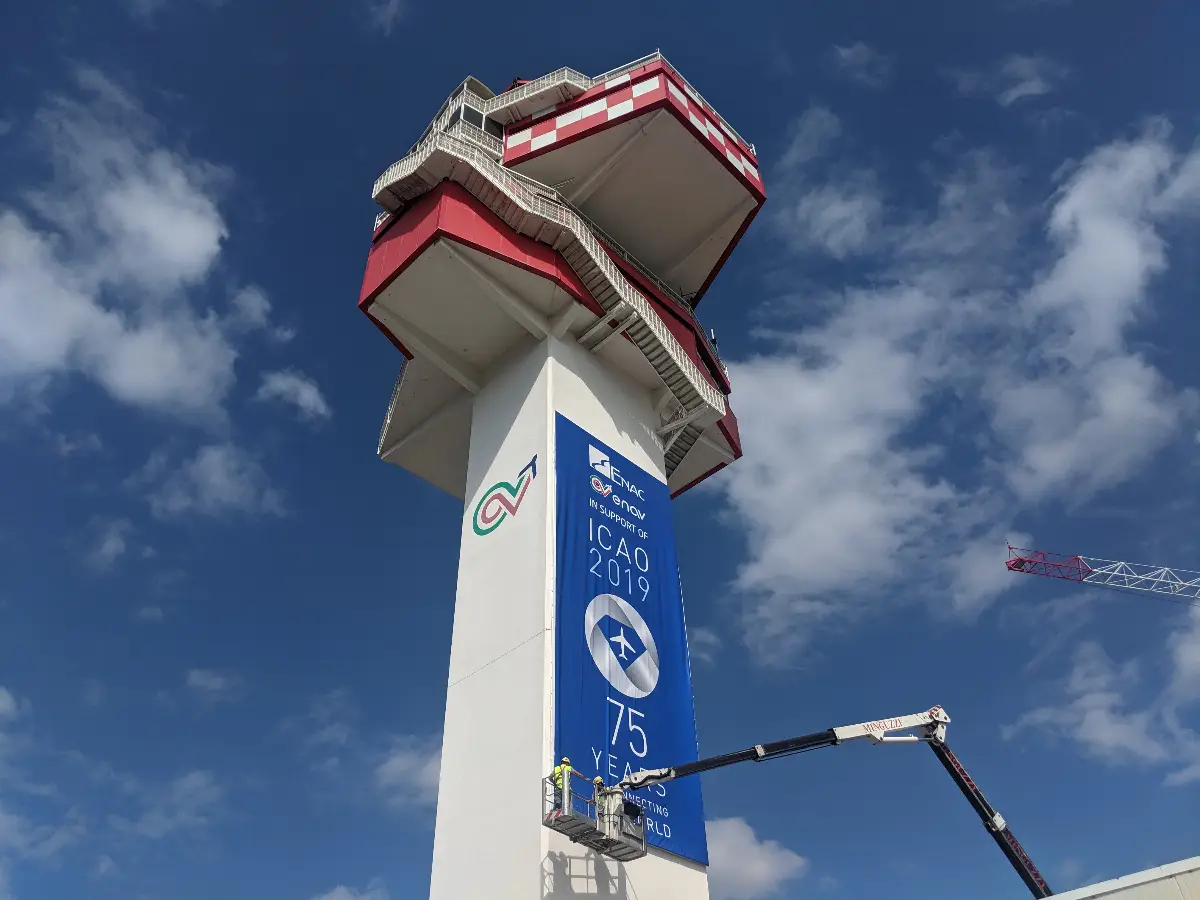
The failure of 16 October cannot be dismissed simply by announcing a return to normal operations. According to Italian ENAV’s own statements, traffic management capacity fell to 50%, rose to 75% thanks to an alternative satellite network, and returned to 100% after the primary network was restored. Safety, the company states, was maintained. Ensuring it was indispensable, even if this required limiting traffic. But this does not exhaust the assessment of what happened: an essential infrastructure suffered severe degradation, and those responsible for governing it must explain why the available safeguards allowed for that residual capacity and those recovery times. Any liability of an external supplier will have to be established, without turning it into an excuse that closes off all further scrutiny. Managing a critical service includes assessing the unavailability of procured links, common dependencies and the effectiveness of alternatives. It is not enough to have a backup network: it must be demonstrated how much traffic it can support, how quickly it can be activated, and under what conditions it has been tested. It is on these results that management should be judged. And this is where ENAC (Italian Civil Aviation Authority) must intervene in exercising its supervisory responsibilities. It is not enough to acknowledge that the service has resumed: it is necessary to verify whether the observed performance was consistent with the plans, whether exercises had reproduced adequate scenarios, and whether any previously identified limitations had been addressed through timely action. If the system delivered less than expected, the shortcomings must be established and responsibilities identified. If it operated exactly as planned, it must be clarified on what grounds that level of continuity had been deemed adequate. Oversight serves this purpose too: verifying the substance of safeguards, beyond the existence of documentation. The case also reopens a question of corporate priorities. On 14 May 2026, the ENAV (Italian Flight Assistance company) shareholders’ meeting approved a dividend relating to 2025 of €156.7 million. The distribution is legitimate and does not demonstrate that resources were diverted from any specific investment, nor does it prove a causal relationship with the failure. It does, however, require a question to which management and the public shareholder must respond: is the remuneration of capital accompanied by an equally verifiable ability to protect the service? ENAV may be a listed company, but its essential function does not change. Ensuring safe, reliable and efficient air navigation services must guide industrial decisions; shareholder returns must be compatible with that responsibility. It would not be acceptable to reverse this hierarchy and treat operational continuity as a variable subordinate to financial objectives. To determine whether this risk was adequately controlled, evidence is needed: completed investments, eliminated vulnerabilities, successful tests, assessed residual risks and compliance with intervention timelines. Allocated amounts and industrial-plan presentations do not replace proof of results. The State, in turn, cannot assess a strategic shareholding solely through the dividends it receives. It must demand accountability for the quality of the infrastructure, while keeping distinct the responsibilities of the shareholder, management and oversight authority. Meanwhile, the consequences of disruptions fall on airlines, which must rebuild rotations, manage crews and assist passengers, often even after technical restoration. These are costs that must be documented and correctly attributed, not side effects to be excluded from the assessment of the service. Operational personnel deal with the emergency and preserve safety; management is accountable for the system’s preparedness, and the competent authority must verify its adequacy. After 16 October, what is required is a verified technical reconstruction, a comparison between the planned and actual performance of contingency arrangements, and a corrective plan with identifiable responsibilities and verifiable deadlines. The question remains clear: was that loss of capacity foreseen and considered acceptable, or did it reveal defences that fell short of commitments? ENAV must answer with facts. ENAC must verify them. The return to normality cannot become a way to avoid scrutiny of responsibilities.