


It does not receive public funding
Editor in chief:
CLARA MOSCHINI
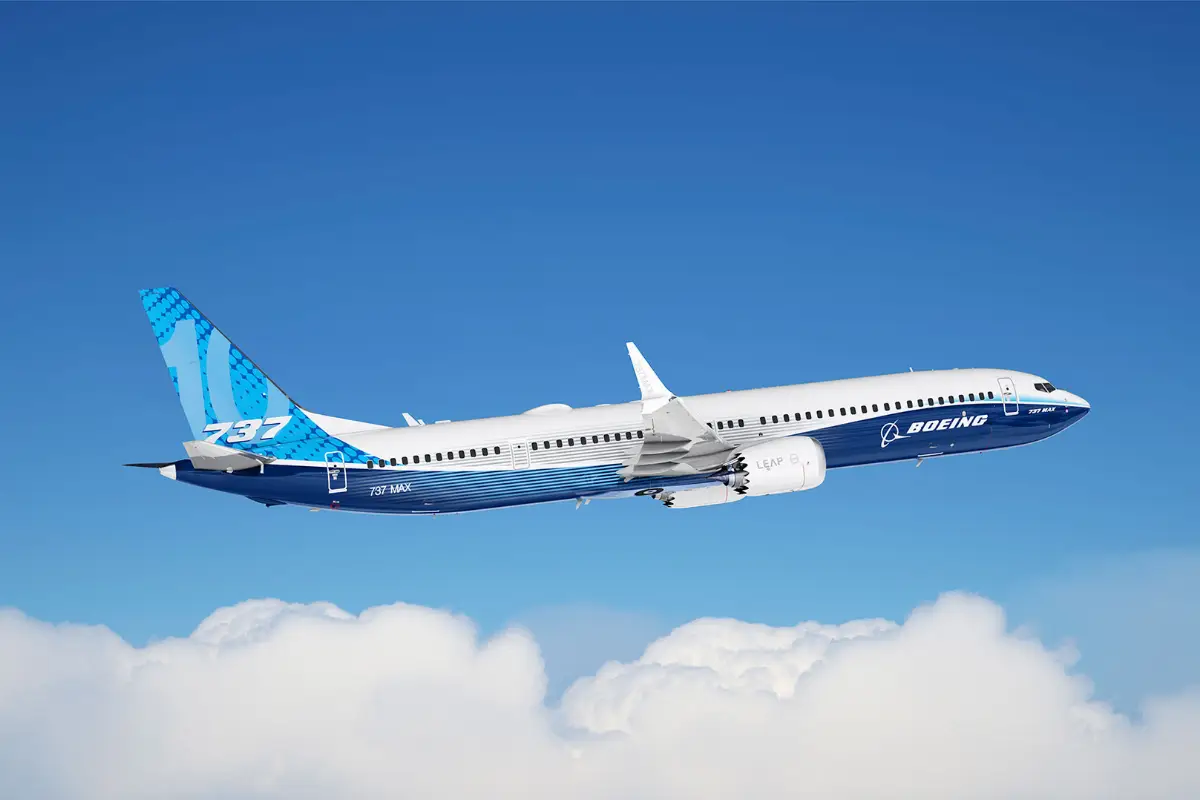
US Federal Aviation Administration (FAA) officials last Tuesday signed the official certification documents for the 737/10, marking the final regulatory hurdle in bringing the largest member of the 737 MAX family to operators.
US Department of Transportation Secretary Sean Duffy officially handed over the certification documents — Amended Type Certificate and Production Certificate 700 — to Boeing during a small ceremony in Everett, Washington.
The 737/10 offers the best cost per seat of any single-aisle airplane in the market today. It is designed to give operators more capacity while keeping fleet maintenance costs low through shared MAX parts and operational flexibility.
The 737 MAX is the first airplane to be certified with full compliance to the 2020 Aircraft Certification, Safety, and Accountability Act (ACSAA), which provided new mandates for documentation of safety assessments and human factors evaluations.
Certification included extensive human factors reviews, design assurance reviews and system safety analyses in coordination with the FAA. Tens of thousands of pages of documentation and many hours of formal meetings with the agency supplemented extensive flight and ground testing.
The B-737/10 flight test program logged nearly 1,000 flights totaling more than 2,000 flight hours and 1,000 ground test hours. The 737/10 flight test program included compliance and performance of the enhanced Angle of Attack (eAoA) system, which will become standard across the 737 MAX family.
Customers have ordered 7,350 B-737 MAX units to date. Boeing delivered nearly 2,500 as of September 2026.
The 737 MAX family continues to offer airlines a range of options tailored to their network and fleet needs. The 737/10 joins the 737-7, which was certified earlier this year, and the 737/8 and 737/9 in providing operators with efficient, flexible single-aisle solutions.
Other 737 MAX family members offer other unique capabilities:
The 737/10, the largest in the family, typically seats 185-210 passengers with a range of up to 3,100 nautical miles (5,740 km). Technological advancements also result in a 20 percent reduction in CO2 emission and fuel use. It also provides more range than competitors without auxiliary fuel tanks and delivers the lowest seat cost in its category.