


Non riceve alcun finanziamento pubblico
Direttore responsabile:
CLARA MOSCHINI
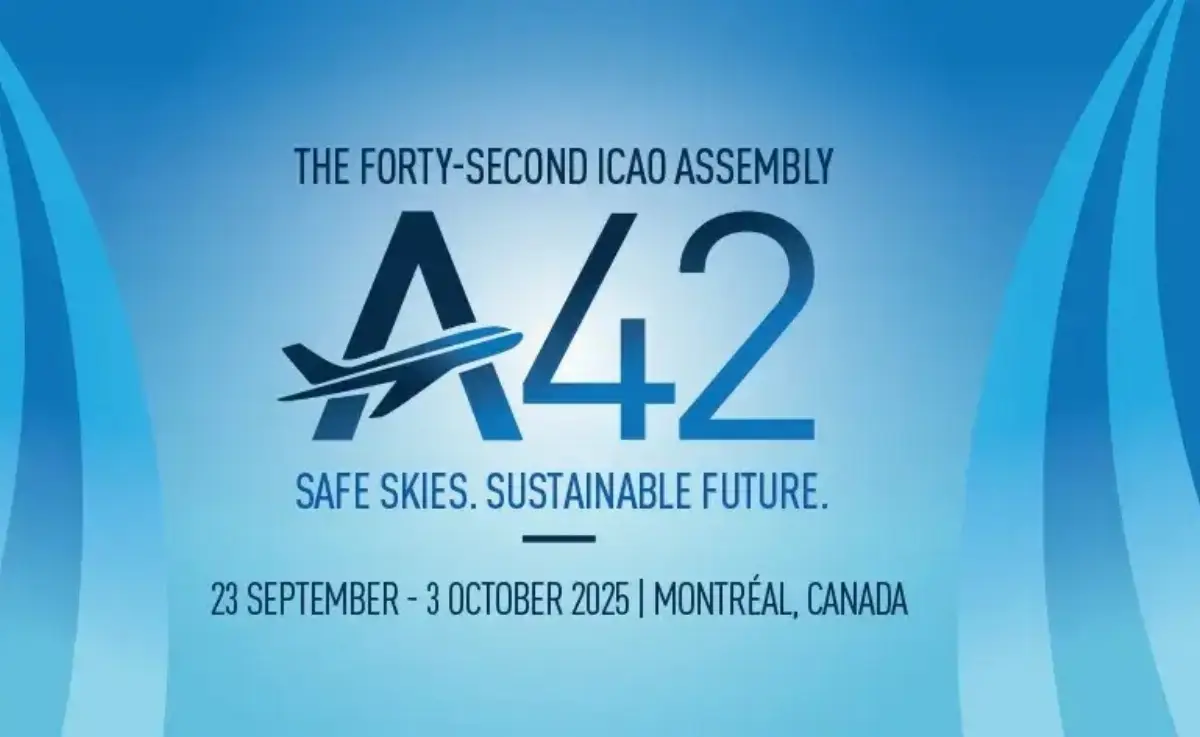
Elections took place yesterday for PART III of the ICAO (International Civil Aviation Organization) Council at the 42nd Session of the ICAO Assembly (September 23-October 3 in Montreal), completing the incoming Council. All elected States will form the Council for a three-year term. The 36-member Council is the governing body of the Organization.
This follows the Part I and Part II elections on 27 September 2025.
The new Council will be formed by:
PART I - States of chief importance in air transport
Australia, Brazil, Canada, China, France, Germany, Italy, Japan, the UK, and the USA.
PART II - Countries which make the largest contribution to the provision of facilities for international civil air navigation
Argentina, Colombia, Denmark, Egypt, India, Mexico, Nigeria, Saudi Arabia, Singapore, South Africa, Spain, and Switzerland.
PART III - Nations ensuring geographic representation
Angola, Belize, Cuba, Ecuador, Equatorial Guinea, Malaysia, Mali, Morocco, Poland, Qatar, Republic of Korea, Uganda, the United Arab Emirates, and Uruguay.