


It does not receive public funding
Editor in chief:
CLARA MOSCHINI
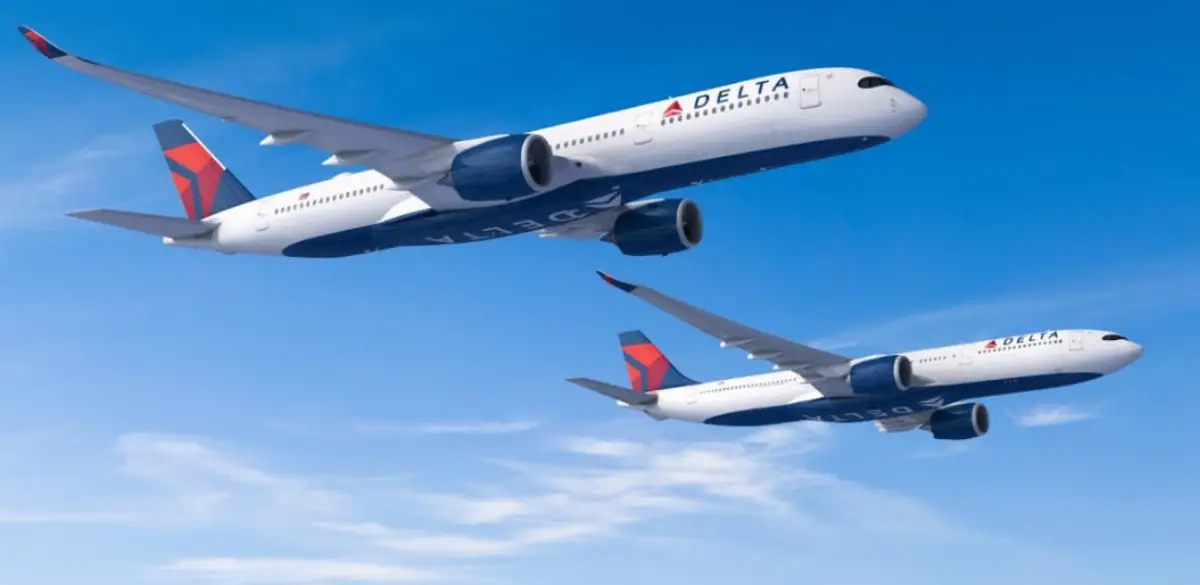
Delta Air Lines has placed a firm order for 31 latest generation aircraft including 16 A-330/900s and 15 A-350/900s. Once delivered, the carrier’s widebody fleet will have grown to 55 A-330neo and 79 A-350s.
The airline currently operates more than 500 aircraft from all of the industry's product families from the A-220 to the A-350/900. Its current Airbus backlog is around 200 airplanes and includes the A-350/1000 aircraft.
Powered by the latest generation Rolls-Royce Trent 7000 engines, the A-330neo is designed to fly up to 8,100 nautical miles/15,000 kilometers non-stop and reduces fuel burn, CO2 emissions and operating cost by 25% compared to previous generation aircraft.
The A-350 is the widebody plane designed to fly up to 9,700 nautical miles / 18,000 kilometres non-stop, setting new standards for intercontinental travel.
As with all Airbus aircraft, the A-330neo and the A-350 are able to operate with up to 50% Sustainable Aviation Fuel (SAF). The company is targeting to have its airplanes up to 100% SAF capable by 2030.
At the end of December 2025, the A-350 Family had won over 1,500 orders from 67 customers and the A-330 Family had won over 1,900 orders worldwide.