


It does not receive public funding
Editor in chief:
CLARA MOSCHINI
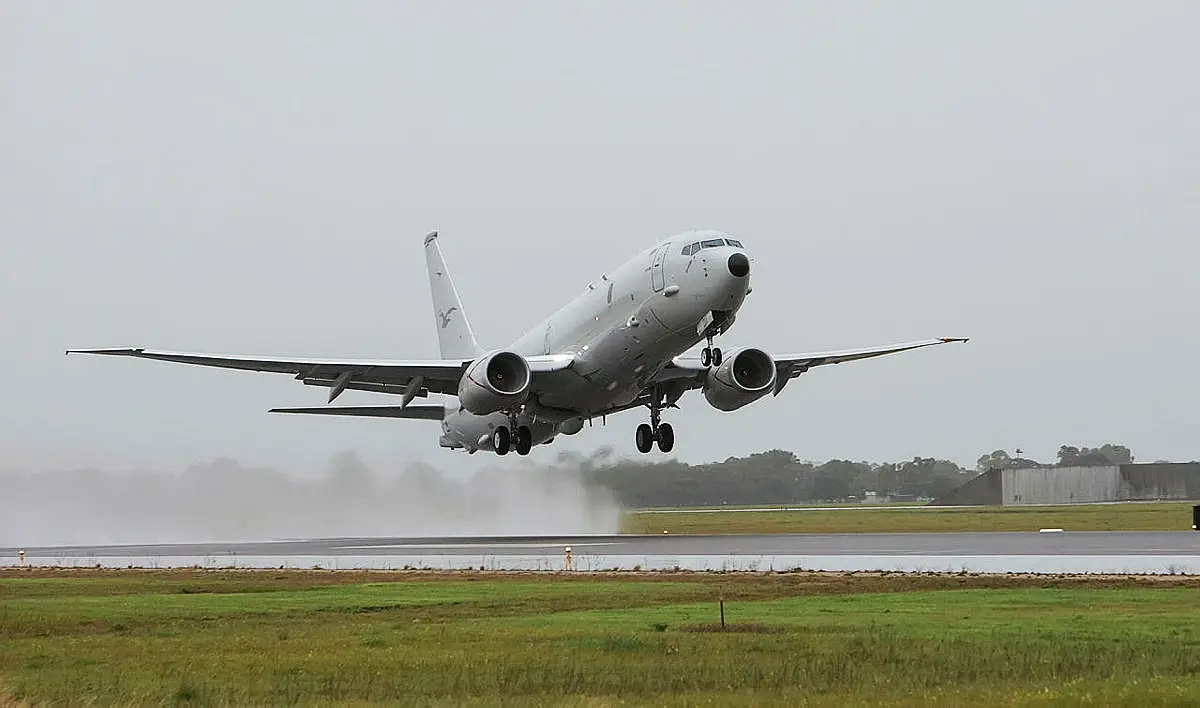
Australia continues to contribute to multinational efforts to enforce United Nations Security Council (UN) sanctions against North Korea, with a Royal Australian Air Force (RAAF) P-8A Poseidon maritime patrol aircraft deployed as part of Operation Argos. The P-8A will operate from Kadena Air Base in Japan, conducting aerial surveillance to monitor and detect illicit ship-to-ship cargo transfers in the region. Head of Joint Operations, Vice Admiral Justin Jones, said Australia remains firmly committed to enforcing UN Security Council sanctions.
Especially in this delicate geopolitical phase, some analysts add, a phase that has seen North Korean leader Kim Jong-un forge a strong strategic economic-commercial and defense alliance, strengthening the partnership with Vladimir Putin 's Russia, and in the ongoing conflict with Ukraine.
Since 2018, Australia has deployed its RAAF maritime patrol aircraft 14 times as part of Operation Argos, it said in a statement, and Royal Australian Navy surface vessels 12 times.
Wing Commander Adam Saber, 11 Squadron Commander, said: "The P-8A's versatility, interoperability with partner nations and exceptional reliability make it well suited to Operation Argos", which is also being conducted by Canada, France, Germany, Italy, Japan, New Zealand, the United Kingdom, the Republic of Korea and the United States.